Spine Surgery
Spine Surgery services offered in Appleton, Oshkosh, North Fond du Lac, Bellevue and Green Bay, WI
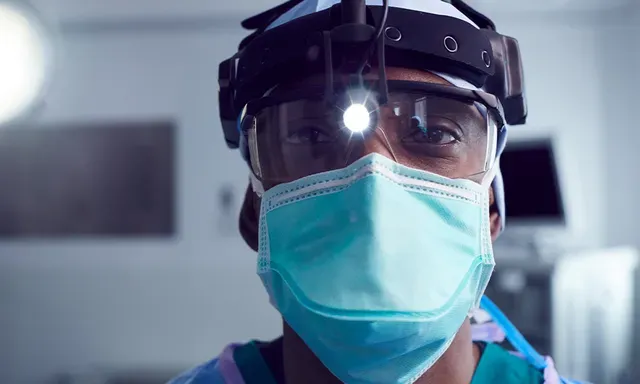
Spine surgery may be recommended when conditions such as herniated discs, spinal stenosis, or instability do not improve with conservative care. Procedures may involve decompression, fusion, or disc replacement, using either traditional or minimally invasive techniques. The goal is to relieve pain, restore stability, and help patients return to daily activities with long-term results. Schedule a spine surgery consultation by phone today to learn more about your options.
Spine Surgery Q & A
What is spine surgery?
Spine surgery addresses conditions of the cervical, thoracic, or lumbar spine that have not improved with conservative care. Surgical treatment may involve removing, stabilizing, or replacing structures within the spine to relieve nerve pressure, correct deformities, or restore stability. Depending on your diagnosis and needs, surgery may be performed using traditional open techniques or minimally invasive approaches designed to reduce recovery time and scarring.
Which conditions can spine surgery treat?
Spine surgery may be recommended for a range of conditions, including:
Herniated or degenerative discs
Spinal stenosis (narrowing of the spinal canal)
Spinal instability or deformity (such as scoliosis or spondylolisthesis)
Spinal tumors or infections
Vertebral fractures from trauma or osteoporosis
Chronic nerve compression causing pain, numbness, or weakness
Am I a candidate for spine surgery?
You may be a candidate if you continue to experience pain, weakness, or limited function despite conservative treatments such as physical therapy, medications, or injections. A comprehensive evaluation—including a medical history review, physical exam, and imaging studies such as MRI, CT, or X-ray—helps determine whether surgery is appropriate.
What types of spine surgery are available?
Our surgeons offer a full spectrum of evidence-based procedures, including:
Decompression procedures (laminectomy, discectomy) to relieve pressure on nerves
Spinal fusion to stabilize the spine when instability is present
Disc replacement surgery as a motion-preserving alternative to fusion in select patients
Instrumentation surgeries to correct deformities or stabilize fractures
Minimally invasive techniques may be used for certain procedures to reduce incision size, minimize tissue disruption, and promote faster recovery.
What can I expect before and after surgery?
Every surgical plan is tailored to the individual. Preparation may involve optimizing your health, adjusting medications, and working with physical therapy before surgery. After surgery, recovery may include a short hospital stay, activity restrictions, and follow-up visits to monitor healing. Rehabilitation and therapy play an important role in restoring mobility and strength.
What is the goal of spine surgery?
Our philosophy is to prioritize patient safety, function, and long-term outcomes. Each surgical intervention is designed to relieve pain, improve mobility, and help patients return to their daily activities with lasting results.