Spinal Fusion
Spinal fusion is a surgical procedure used to stabilize the spine by joining two or more vertebrae. It is commonly recommended for conditions such as spinal instability, severe disc degeneration, spondylolisthesis, spinal deformity, or nerve compression that has not responded to conservative treatment.
At NeuroSpine Center of Wisconsin, our surgeons utilize advanced surgical techniques, modern instrumentation, and motion-preserving technologies to create personalized treatment plans focused on improving pain, function, and quality of life.
Spinal Fusion Q & A
What is spinal fusion?
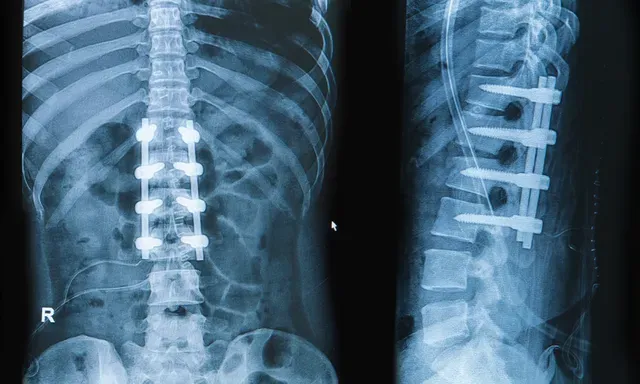
Spinal fusion is a surgical procedure designed to stabilize the spine by permanently joining two or more vertebrae. By eliminating excessive motion at the affected spinal level, fusion may help reduce pain, improve spinal alignment, and restore stability.
Fusion is often considered when nonsurgical treatments such as physical therapy, medications, injections, or activity modification have not provided lasting relief.
Which conditions can spinal fusion treat?
Your surgeon may recommend spinal fusion to treat conditions including:
- Spinal instability or weakness
- Severe disc degeneration or disc damage
- Spondylolisthesis (slipped vertebra)
- Spinal stenosis with instability
- Scoliosis or other spinal deformities
- Spinal arthritis
- Fractures or trauma-related instability
Motion-Preserving Alternatives to Fusion
While spinal fusion remains an effective treatment option for many patients, some individuals may be candidates for motion-preserving technologies designed to stabilize the spine while maintaining movement at the affected level.
Our spine specialists carefully evaluate each patient to determine whether spinal fusion, motion-preserving surgery, or another treatment option may be the most appropriate approach based on their condition, symptoms, imaging findings, and overall goals.
What is the TOPS™ System?
The TOPS™ System is a motion-preserving implant designed for certain patients with lumbar spinal stenosis and degenerative spondylolisthesis. Unlike traditional fusion, the TOPS™ System is intended to stabilize the spine while allowing controlled motion at the treated level.
For select patients, the TOPS™ System may serve as an alternative to spinal fusion while still addressing spinal instability and nerve compression.
Not all patients are candidates for motion-preserving procedures. A comprehensive evaluation and imaging review help determine the most appropriate surgical recommendation. Learn more here.
What is Mobi-C® Cervical Disc Replacement?
For some patients with cervical disc disease, cervical disc replacement may be considered as an alternative to traditional cervical fusion surgery.
Mobi-C® is an FDA-approved cervical disc replacement device designed to maintain motion in the neck while relieving pressure on affected nerves or the spinal cord. Unlike fusion, cervical disc replacement is intended to preserve movement at the treated level while addressing symptoms such as neck pain, arm pain, numbness, or weakness.
Not all patients are candidates for cervical disc replacement. Our spine specialists perform a comprehensive evaluation to determine whether spinal fusion, cervical disc replacement, or another treatment option may be most appropriate. Learn more here.
Is spinal fusion or motion-preserving surgery right for me?
Candidacy for spinal fusion depends on your underlying spinal condition, overall health, symptoms, and response to previous treatments.
Your evaluation may include:
- A physical examination
- Review of your medical history
- X-rays
- MRI or CT imaging studies
What happens during surgery?
During spinal fusion, bone graft or biologic material is placed between vertebrae to help them heal together into a single solid segment. Screws, rods, cages, or plates may also be used to provide additional support and stability during healing.
Motion-preserving procedures such as TOPS™ or Mobi-C® utilize advanced implant technology designed to stabilize the spine while maintaining controlled movement at the treated level.
Our surgeons perform both traditional open and minimally invasive procedures using anterior, posterior, and lateral surgical approaches when appropriate.
Whenever possible, advanced surgical techniques, navigation technology, modern instrumentation, and biologics are utilized to minimize tissue disruption and support recovery.
What can I expect after surgery?
Recovery following spinal fusion varies depending on the procedure performed, the number of levels treated, and individual healing factors.
Most patients remain in the hospital for a short stay following surgery. Some patients may require a brace during the healing process. Physical therapy and gradual return to activity are often recommended as part of recovery.
Our team works closely with physical therapists, pain specialists, and rehabilitation providers to support recovery and long-term function.
What is the goal of treatment?
The goal of spinal fusion and motion-preserving surgery is to relieve pain, improve spinal stability, restore function, and help patients return to daily activities with improved quality of life.
At NeuroSpine Center of Wisconsin, treatment recommendations are individualized based on each patient’s condition, goals, and overall spinal health.