Spinal Decompression
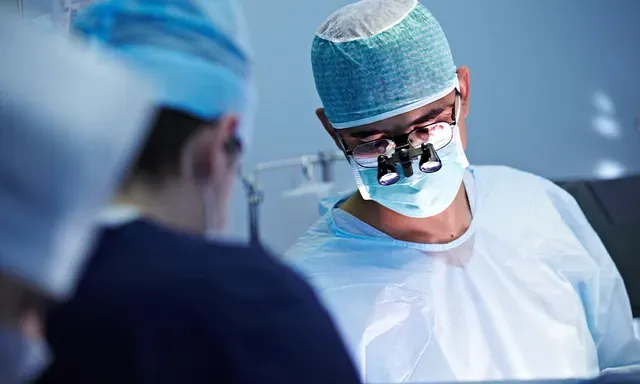
Spinal decompression surgery is designed to relieve pressure on nerves caused by spinal stenosis, herniated discs, or bone spurs. By removing the structures pressing on the spinal canal, these procedures can ease pain, restore mobility, and prevent further nerve damage. Both traditional and minimally invasive techniques are available, with the goal of helping patients return to their daily activities with less pain and better function.
Spinal Decompression Q & A
What is spinal decompression?
Spinal decompression is a treatment designed to relieve pressure on spinal nerves caused by conditions such as spinal stenosis, herniated discs, or bone spurs. This pressure often results in pain, numbness, tingling, or weakness that may radiate into the arms or legs.
Which conditions can spinal decompression treat?
Spinal decompression can help relieve pain and restore function for patients with:
Spinal stenosis (narrowed spinal canal)
Bone spurs
Am I a candidate for spinal decompression?
You may be a candidate if conservative care such as physical therapy, medications, or injections has not provided lasting relief. Our team reviews your medical history, performs a physical exam, and may order imaging such as MRI, CT, or X-rays to determine if decompression surgery is appropriate.
What happens during spinal decompression surgery?
Decompression procedures remove the structures pressing on nerves to create more space within the spinal canal. This may include:
Laminectomy – removing part of the vertebral bone (lamina)
Discectomy – removing part of a herniated disc
Foraminotomy or facetectomy – enlarging openings for nerve roots
Both traditional and minimally invasive approaches may be used, depending on the severity and location of the compression. These procedures aim to relieve pain, restore mobility, and prevent progression of nerve damage.
What is recovery like?
Most patients return home the same day or after a short hospital stay, depending on the procedure. Mild soreness is expected, but activity restrictions are provided to allow safe healing. Long-term recovery includes gradually increasing activity and maintaining healthy habits—such as exercise, proper body mechanics, and weight management—to protect your spine.
Our goal is to return patients to their active lifestyle with a treatment plan that minimizes downtime and maximizes long-term results.