MILD® Procedure
A minimally invasive treatment option for lumbar spinal stenosis designed to relieve pressure on spinal nerves and help improve mobility—without implants or traditional open spine surgery. Performed by Dr. Michael Roegner at NeuroSpine Center of Wisconsin.
If lumbar spinal stenosis is limiting your ability to stand, walk, or stay active, you may be a candidate.
What Is the MILD® Procedure?
MILD®, which stands for minimally invasive lumbar decompression, is an outpatient procedure for certain patients with lumbar spinal stenosis. The procedure removes small portions of excess ligament tissue that may be narrowing the spinal canal and compressing nerves in the lower back.
By restoring space in the spinal canal, MILD® is designed to reduce nerve compression while preserving the structural anatomy of the spine. The procedure does not involve implants, hardware, or traditional open spine surgery.
Designed to Address Lumbar Spinal Stenosis
Lumbar spinal stenosis occurs when the spinal canal narrows and places pressure on nerves. One common contributor is thickened ligament tissue, also known as ligamentum flavum hypertrophy.
- Targets excess ligament tissue
- Helps restore space in the spinal canal
- Uses image guidance and specialized instruments
- Does not require implants
What Is Lumbar Spinal Stenosis?
Lumbar spinal stenosis is a narrowing of the spinal canal in the lower back. As the space around the nerves becomes smaller, patients may experience pain, heaviness, numbness, tingling, or weakness that affects daily activity.
Lumbar spinal stenosis may also cause symptoms of neurogenic claudication, including leg pain, heaviness, numbness, or weakness that worsens with standing or walking and may improve when sitting or leaning forward.
Common Symptoms
- Low back pain
- Leg pain, heaviness, or cramping
- Numbness or tingling in the legs
- Weakness with walking or standing
- Relief when sitting or bending forward
- Limited walking or standing tolerance
Who May Be a Candidate for MILD®?
The MILD® procedure may be considered for patients with lumbar spinal stenosis caused in part by thickened ligament tissue. It may be a treatment option for patients who continue to experience symptoms despite undergoing conservative treatment.
- Symptoms of lumbar spinal stenosis, such as leg pain, heaviness, or difficulty walking
- Imaging that shows narrowing of the spinal canal related to thickened ligament tissue
- Limited relief from conservative treatments, such as physical therapy, medications, or injections
- A desire to explore minimally invasive treatment options before more extensive surgery
Not all patients are candidates. A consultation and imaging review with Dr. Roegner can help determine whether MILD® is appropriate for your condition.
How Does the MILD® Procedure Work?
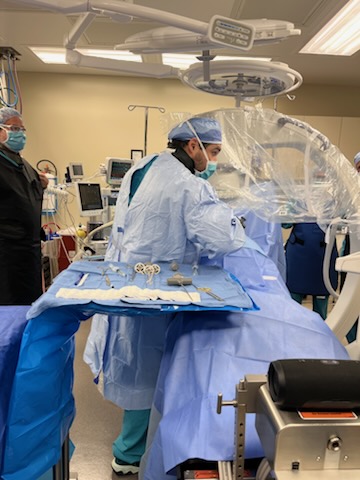
During the MILD® procedure, Dr. Roegner uses fluoroscopic imaging guidance and specialized instruments to access the area of narrowing in the lower back through a very small incision. Small portions of excess ligament tissue are removed to help restore space in the spinal canal and reduce compression on the nerves.
The procedure typically takes about one hour and does not require spinal implants, hardware, or significant disruption to surrounding tissue. Because the structural anatomy of the spine is preserved, future treatment options remain available if additional care is needed later.
Treatment Goals
- Relieve pressure on spinal nerves
- Improve standing and walking tolerance
- Reduce pain related to lumbar spinal stenosis
- Support a return to daily activities
- Improve function and quality of life
What Can I Expect After the Procedure?
Most patients return home the same day following the MILD® procedure. Recovery varies by patient, but many individuals are able to resume normal activities relatively quickly.
Follow-up visits with Dr. Roegner help monitor recovery progress, evaluate symptom improvement, and guide your return to activity over time.
Frequently Asked Questions
Is MILD® the same as traditional spine surgery?
No. MILD® is a minimally invasive lumbar decompression procedure. It does not involve traditional open spine surgery, spinal implants, or hardware.
What condition does MILD® treat?
MILD® is used for certain patients with lumbar spinal stenosis, especially when excess ligament tissue is contributing to narrowing in the spinal canal and nerve compression.
How is the procedure performed?
The procedure is performed through a very small incision using specialized instruments and fluoroscopic imaging guidance. Excess ligament tissue is removed to help restore space in the spinal canal.
How long does the MILD® procedure take?
The MILD® procedure typically takes about one hour and is performed on an outpatient basis using image guidance and specialized instruments.
How long is recovery?
Recovery varies by patient, but MILD® is typically performed as an outpatient procedure, and patients are generally discharged within 24 hours. Many patients are able to resume normal activities relatively quickly.
Will I have follow-up appointments after the procedure?
Yes. Follow-up visits with Dr. Roegner allow your recovery and symptom improvement to be monitored over time while helping guide your return to activity.
How do I know if I’m a candidate?
A consultation, physical examination, and imaging review are needed to determine whether MILD® is appropriate. Dr. Roegner will evaluate your symptoms, imaging findings, and previous treatments to recommend the best next step.