Intracept™ Procedure
A minimally invasive, implant-free treatment option for chronic vertebrogenic low back pain. Performed by Dr. Michael Roegner at NeuroSpine Center of Wisconsin.
If you’ve had low back pain for 6+ months and conservative care hasn’t helped, you may be a candidate.

What Is Vertebrogenic Pain?
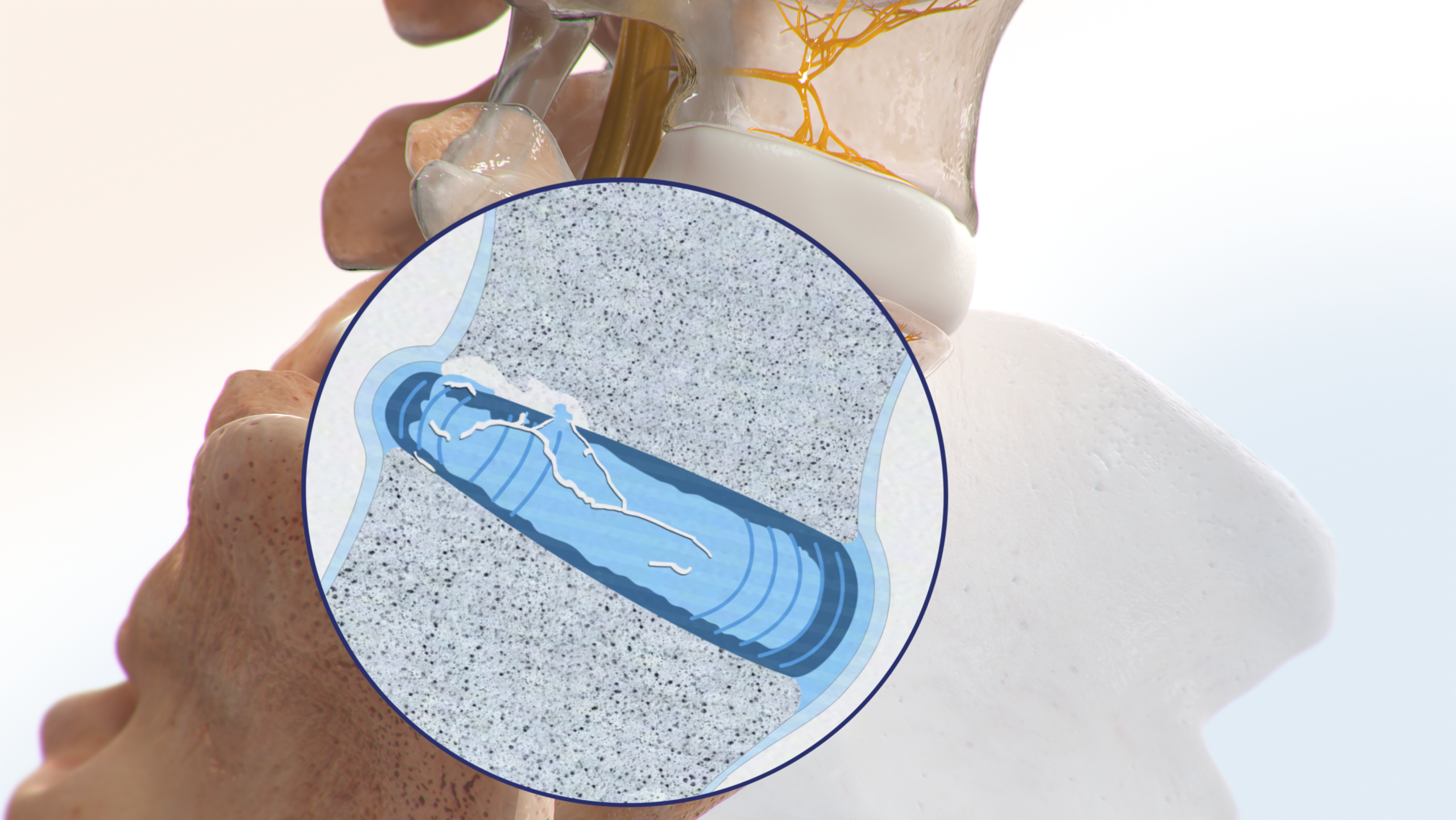
Vertebrogenic pain is a distinct type of chronic low back pain caused by damage to vertebral endplates, the tissue that covers the top and the bottom of each vertebral body and separates it from the disc. Disc degeneration, and the wear and tear that occurs with everyday living, produces stresses on the endplates that damage them, leading to inflammation and vertebrogenic pain. The basivertebral nerve (BVN), found within the vertebrae, carries pain signals from the inflamed endplates to the brain.
How Do Patients Describe Vertebrogenic Pain?
The disc and endplate are both part of the anterior spinal column and produce similar low back pain symptoms. However, endplate pain is associated with distinctive changes on routine MRI called Modic changes. Patients who find relief from the Intracept™ Procedure often describe pain in the middle of their low back that is made worse by physical activity, prolonged sitting, and bending forward or with bending and lifting.1

How Is Vertebrogenic Pain Treated?
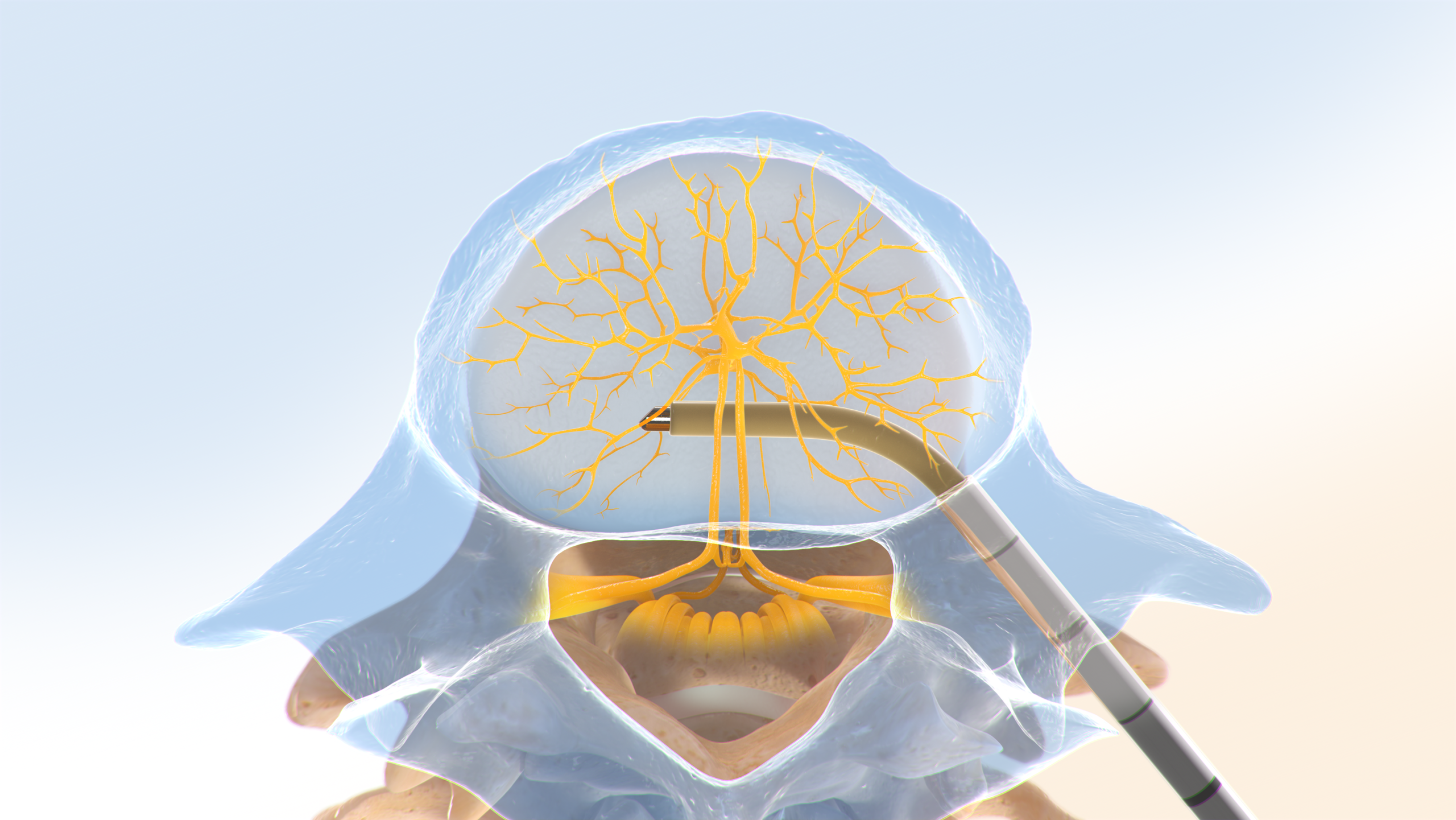
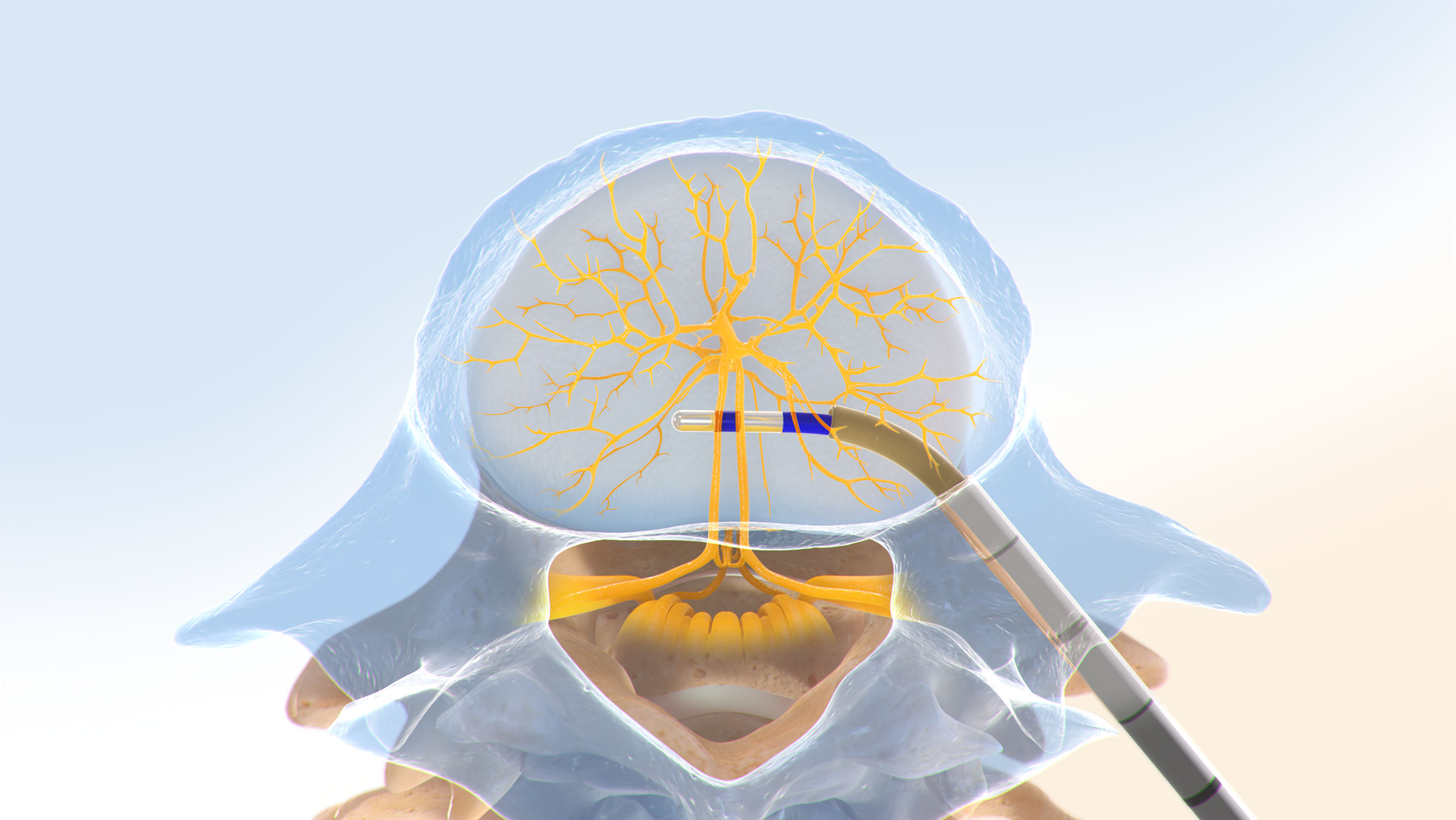
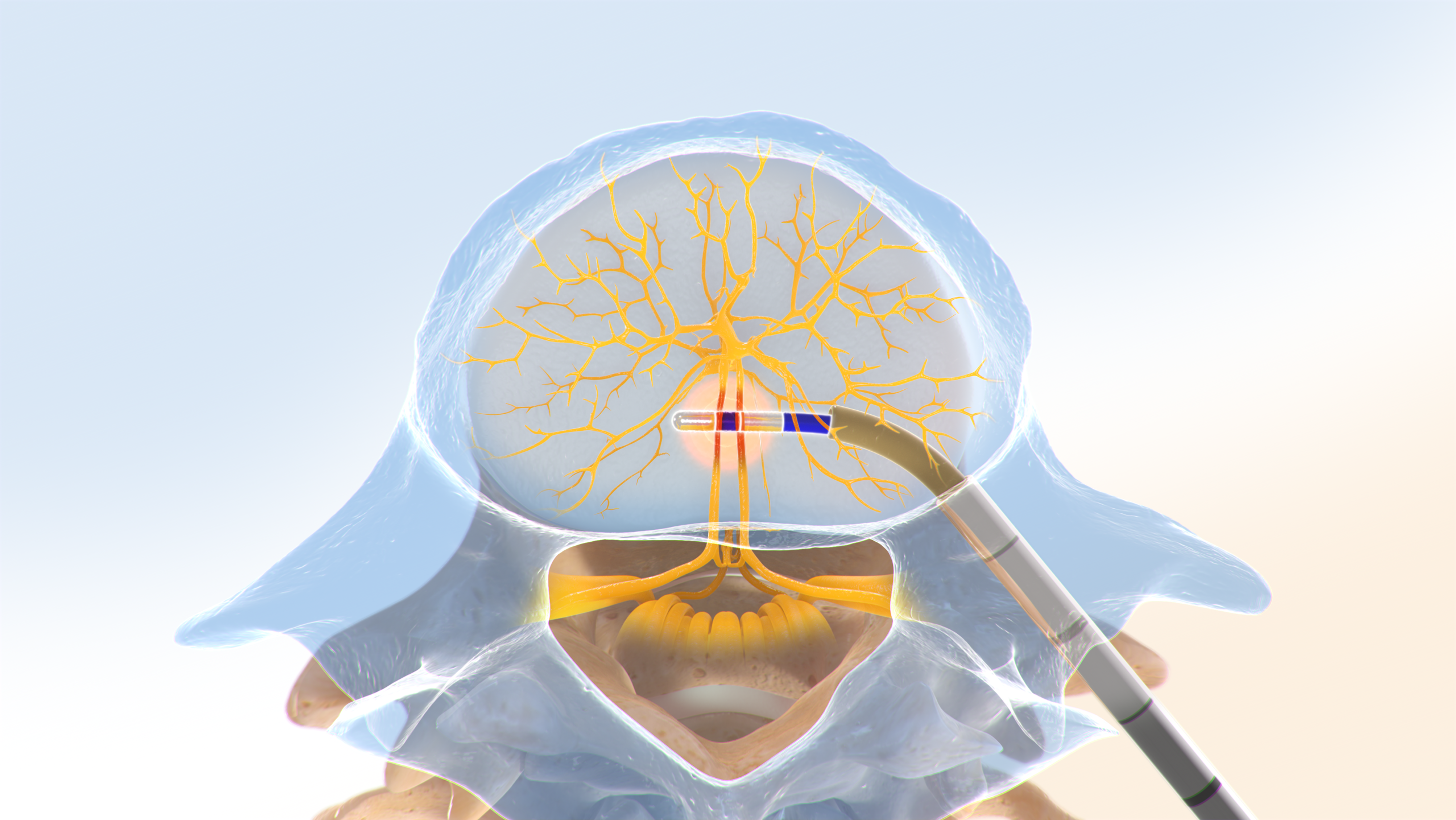
The basivertebral nerve (BVN) enters the bone at the back of the vertebral body (the bones in your spine) and branches to the endplates (located at the top and bottom of each vertebral body). When endplates are damaged, these nerve endings increase in number and pick up pain signals that are then sent to the brain through the BVN. The Intracept™ Procedure relieves vertebrogenic pain by heating the basivertebral nerve (BVN) with a radiofrequency probe to stop it from sending pain signals to the brain.

How Does the Intracept™ Procedure Work?
During the Intracept™ Procedure, a specialized radiofrequency probe is guided into the vertebral body using fluoroscopic imaging. Once positioned, controlled radiofrequency energy is applied to heat the basivertebral nerve (BVN), which interrupts the nerve’s ability to transmit pain signals from damaged endplates. The procedure is performed under anesthesia, typically lasts about an hour, and does not involve implants or hardware. It preserves the structure of the spine and is performed as an outpatient treatment. The procedure is FDA-cleared and is proven in multiple studies to be safe, effective, and durable.2,3
How long does pain relief last?
Clinical evidence demonstrates the majority of patients experience significant improvements in function and pain 3 months post procedure that are sustained more than 5 years after a single treatment.2

How Do I Know If I’m a Candidate for Intracept™?
The Intracept™ Procedure is indicated for patients who have had:
- Chronic low back pain for at least six months
- Tried conservative care for at least six months
- An MRI that shows features consistent with Modic changes – indicating damage at the vertebral endplates has led to inflammation
The Intracept™ Procedure, as with any procedure, has risks that should be discussed between the patient and medical provider.
Frequently Asked Questions
What is vertebrogenic low back pain?
Vertebrogenic pain is a specific type of chronic low back pain that originates from damage and inflammation in the vertebral endplates. It is often associated with Modic changes seen on MRI and may be mistaken for disc-related pain.
How does the Intracept™ Procedure treat this type of pain?
The Intracept™ Procedure targets the basivertebral nerve, which carries pain signals from the vertebral endplates to the brain. Using targeted radiofrequency energy, the procedure interrupts these pain signals at their source—without implants or hardware.
What is recovery like after the Intracept™ Procedure?
Recovery varies by patient, but most experience minimal post-procedure discomfort and a relatively quick return to normal activities. Many patients begin noticing improvement within a few weeks, with continued progress over time.
Is the Intracept™ Procedure covered by insurance?
Coverage varies by insurance plan. Several plans do provide coverage, and for others, additional steps may be required. Our team will work with you to review benefits and help navigate the insurance process as part of your care.
How do I know if I’m a candidate?
If you’ve had chronic low back pain for at least six months, have tried conservative treatments without lasting relief, and your MRI shows Modic changes, you may be a candidate. A consultation and imaging review will confirm whether this treatment is right for you.