Back Pain
Back Pain services offered in Appleton, Oshkosh, North Fond du Lac, Bellevue and Green Bay, WI
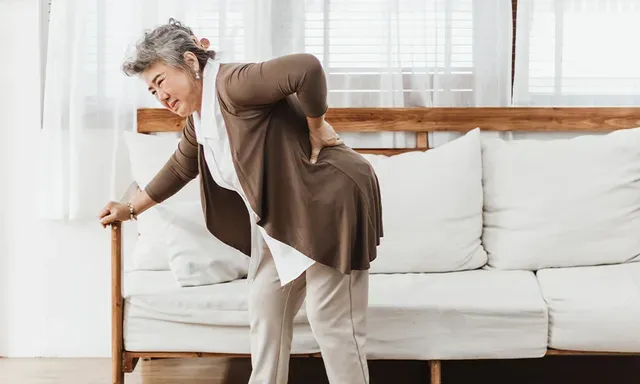
Back pain is one of the most common conditions affecting adults, often caused by muscle strain, disc problems, arthritis, or nerve compression. While some episodes improve with rest and simple care, persistent back pain can limit mobility and daily function. Treatment may include physical therapy, injections, or medications, and in advanced cases, surgical procedures to relieve pressure and restore stability.
Back Pain Q & A
What causes back pain?
Back pain is one of the most common reasons people seek medical care. It can result from muscle strain, disc problems, arthritis, spinal stenosis, or nerve compression. Injuries, poor posture, repetitive movements, or natural age-related changes in the spine can all contribute.
Some of the most frequent causes include:
Degenerative disc disease
Bulging or herniated discs
Sciatica
Arthritis and bone spurs
Spondylolisthesis (slipping vertebrae)
Vertebral compression fractures
Scoliosis
Spinal stenosis
These conditions may overlap—for example, degenerative disc disease can lead to herniated discs or contribute to spinal stenosis. When nerves are compressed, pain may radiate into the arms or legs, sometimes with tingling, numbness, or weakness. Sciatica is a common example of nerve compression in the lower back.
What symptoms can back pain cause?
Back pain symptoms can vary widely, but may include:
Aching, stiffness, or sharp pain in the neck or back
Pain that radiates into the arms or legs
Tingling, numbness, or muscle weakness (radiculopathy)
Pain that worsens with activity, sitting, or standing for long periods
Difficulty sleeping or completing daily activities
How is back pain diagnosed and treated?
Diagnosis begins with a careful evaluation to identify the exact cause of pain. This may include a physical exam, medical history review, and advanced imaging studies.
Treatment often starts conservatively with:
Physical therapy to improve strength and flexibility
Medications to relieve pain and reduce inflammation
Lifestyle and activity modifications
Injections, such as epidural steroids or nerve blocks, for targeted relief
Regenerative therapies, such as platelet-rich plasma (PRP), to support healing
If symptoms persist, advanced options like radiofrequency ablation, spinal cord stimulation, or surgical procedures may be considered. Surgical techniques such as discectomy, fusion, or decompression can relieve nerve pressure and restore stability.
What is the goal of treatment?
Our goal is to identify the root cause of your back pain and create a treatment plan that minimizes downtime, maximizes long-term results, and helps you return to the activities you enjoy.